
Power outages can bring business operations to a standstill—sometimes in seconds. At Swaim Electric, we work with business owners every day who want to protect their employees, customers, equipment, and revenue from unexpected power loss. One of the most common questions we hear is, “what size backup generator does my business need?” The answer depends on several important factors, and choosing the right size is critical to ensuring reliable, efficient backup power when it matters most. If you’re considering a backup generator for your business, give us a call at (336) 233-2341 to talk through your options.
In this guide, we’ll walk you through how generator sizing works, what to consider for your specific business, and why working with a professional electrician makes all the difference.
Why Generator Size Matters for Your Business
Selecting the correct generator size isn’t just about keeping the lights on. If a generator is undersized, it may overload, shut down, or fail to power critical systems. If it’s oversized, you could spend significantly more than necessary and operate an inefficient system that wastes fuel and increases wear.
Proper generator sizing helps ensure:
- Reliable power for essential equipment
- Safe operation without overloading circuits
- Cost-effective installation and long-term operation
- Compliance with electrical codes and standards
Our goal is always to design a backup power solution that fits your business—not one that’s too small or unnecessarily large.
What Size Backup Generator Does My Business Need?
Every business uses power differently, which is why generator sizing should never be a guess. Understanding your electrical demands and operational priorities is the first step toward selecting a generator that will truly support your business during an outage.
Key Factors That Affect Generator Sizing
Total Electrical Load
The first step is determining how much power your business requires during an outage. This includes:
- Interior and exterior lighting
- HVAC systems
- Refrigeration or freezers
- Computers, servers, and networking equipment
- Point-of-sale systems
- Manufacturing or specialty equipment
Each device has a running wattage, and some equipment—especially motors—requires additional power at startup. Those startup surges must be included in generator sizing.
Critical vs. Non-Essential Equipment
Not every business needs to power everything during an outage. We help clients prioritize critical loads, such as:
- Safety and emergency systems
- Data and communication equipment
- Refrigeration or temperature-sensitive inventory
- Essential lighting and work areas
By focusing on what truly needs to stay operational, we can often reduce generator size and cost while still providing dependable backup power.
Type of Business
Different businesses have very different power needs:
- Offices typically need power for lighting, computers, and climate control
- Retail spaces often require lighting, registers, security, and refrigeration
- Restaurants need generators that can handle kitchen equipment and coolers
- Industrial or manufacturing facilities may require larger generators for machinery and three-phase power
Your industry plays a major role in determining generator capacity.
Electrical System Configuration
Voltage, amperage, and whether your facility uses single-phase or three-phase power all impact generator selection. These technical details are another reason professional evaluation is so important—generator sizing must match your electrical infrastructure exactly.
Future Growth
We also recommend planning for growth. If you expect to add equipment, expand your space, or increase operations, it may be wise to size your generator with extra capacity now rather than replacing it later.
How We Calculate the Right Generator Size
When we size a commercial generator, we follow a careful process:
- Create a complete list of equipment that must remain powered
- Calculate total running wattage
- Add startup or surge wattage for motors and HVAC systems
- Apply a safety margin for reliability and future needs
- Determine the appropriate generator size in kilowatts (kW)
This process ensures your generator performs reliably without unnecessary expense.
Typical Generator Sizes for Businesses
While every business is different, here are some general examples:
- Small offices or retail stores often require smaller commercial generators
- Restaurants usually need mid-range generators to support refrigeration, HVAC, and kitchen equipment
- Warehouses and manufacturing facilities typically require larger systems with higher capacity
These examples are only a starting point. The exact size should always be based on a professional load analysis.
Fuel Type Considerations
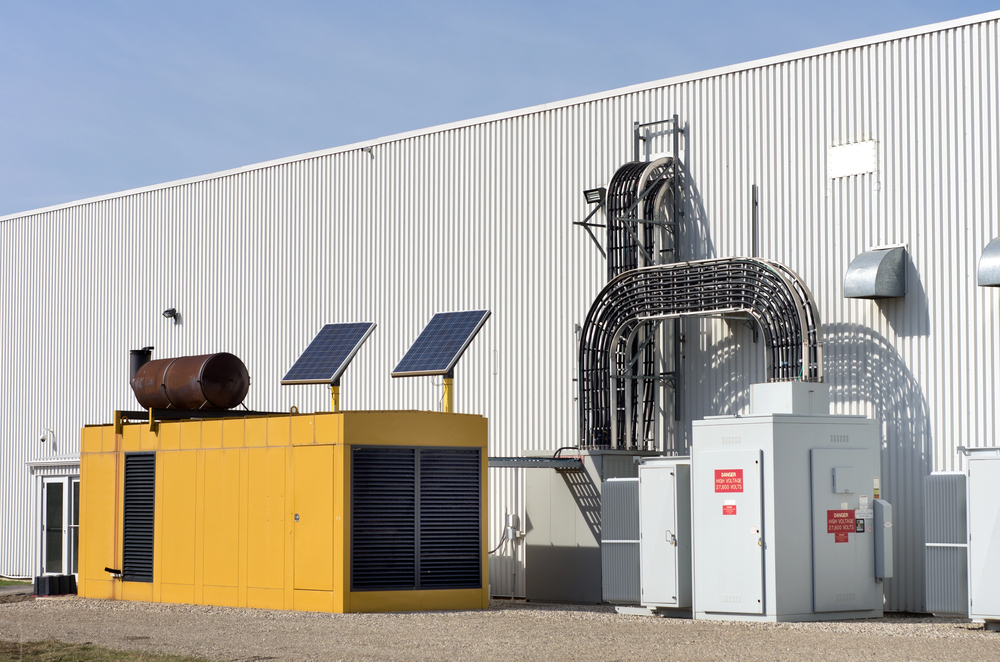
Generator size is closely tied to fuel type. Common options include:
- Natural gas, which offers convenience and continuous supply
- Propane, which provides clean operation and long shelf life
- Diesel, known for durability and high output in industrial settings
Each fuel type has advantages depending on runtime needs, availability, and local infrastructure.
Why Professional Generator Sizing Is Essential
Backup generators are complex systems that must integrate seamlessly with your electrical service. Improper sizing or installation can lead to equipment damage, safety hazards, and costly downtime. When you work with experienced professionals, you gain peace of mind knowing your system is designed to perform when you need it most.
At Swaim Electric, we handle every step—from load calculations and generator selection to installation and ongoing maintenance.
Final Thoughts on Choosing the Right Generator
So, what size backup generator does my business need? The answer depends on your power requirements, business operations, electrical system, and future plans. There’s no one-size-fits-all solution, but with a proper assessment, you can be confident your business is protected against power outages.
If you’re ready to explore backup generator options or want expert guidance tailored to your business, call Swaim Electric at (336) 233-2341. Our team is here to help you choose a dependable, right-sized generator solution that keeps your business running when it matters most.