

Electrical Safety & Preparedness Guide for North Carolina Homeowners

Electrical Safety and Storm Preparedness for North Carolina Homeowners

Electricity powers nearly every part of modern life—from lighting and appliances to HVAC systems, home offices, and smart technology. While today’s homes rely heavily on electricity for comfort and convenience, many homeowners don’t think about electrical safety until something goes wrong.

In North Carolina, where severe storms, aging infrastructure, and increasing power demands are common, electrical safety and preparedness are more important than ever. Homes today often rely on older electrical systems that were not designed to support the number of devices and appliances we now use every day.

Understanding how your electrical system works—and how to protect it—can help prevent costly damage, dangerous hazards, and unexpected outages. This guide explains the most common electrical safety risks, warning signs of problems, and practical ways homeowners can prepare their homes for storms and electrical disruptions.

Why Electrical Safety Matters More Than Ever

Modern homes use significantly more electricity than they did even a decade ago. Between smart home devices, larger appliances, electric vehicle chargers, and remote work technology, the demand for residential electrical systems continues to grow.

At the same time, many homes in North Carolina still rely on electrical panels, wiring, and outlets that were installed years—or even decades—ago. When older electrical systems are combined with increased power demand, it can place stress on wiring, circuits, and panels.

This combination of aging infrastructure and higher energy usage can increase the risk of electrical hazards such as overloaded circuits, damaged wiring, and power surges. Taking a proactive approach to electrical safety helps ensure your home’s system can safely handle modern energy needs while protecting your family and property.

The Most Common Electrical Hazards in Homes

Many electrical hazards develop gradually over time. Identifying potential problems early can prevent costly repairs or dangerous situations later.

One of the most common issues electricians encounter is overloaded circuits. As homeowners add more devices, appliances, and electronics, circuits designed years ago may struggle to keep up. When too many items draw power from the same circuit, it can lead to overheating or repeated breaker trips.

Another common concern involves outdated electrical panels. Older panels may not provide enough capacity for modern electrical demands, especially in homes that have upgraded HVAC systems or added new appliances.

Improper do-it-yourself electrical work can also create hidden hazards. Electrical wiring that does not meet safety codes can increase the risk of short circuits or electrical fires.

Finally, damaged outlets, worn wiring, and extension cords used for permanent power can all create safety risks if they are not properly addressed.

Signs Your Home May Have Electrical Problems

Electrical systems rarely fail without warning. In many cases, homeowners notice early signs that something isn’t functioning properly.
Flickering or dimming lights are often one of the first indicators of electrical trouble. This may occur when circuits are overloaded or when wiring connections begin to loosen over time.
Frequent breaker trips are another common warning sign. Breakers are designed to protect your home, but if they trip repeatedly, it usually means the circuit is carrying more electrical load than it should.
Other symptoms may include warm outlets, buzzing sounds from switches, or a burning smell near electrical panels or wiring. These issues should never be ignored, as they can indicate serious electrical problems that require professional evaluation.

Flickering lights often indicate loose wiring, an overloaded circuit, or a failing fixture that could lead to arcing or fire.
Frequent tripping means your circuit is overloaded or there is a short circuit—a sign your system is struggling to keep up with demand.
Heat or discoloration (brown/yellow marks) suggests melting internal wires or loose connections; this is a serious fire hazard.
A buzzing or hissing sound indicates improper wiring, arcing electricity, or a faulty switch that requires immediate professional inspection.

A buzzing or hissing sound indicates improper wiring, arcing electricity, or a faulty switch that requires immediate professional inspection.
See any of these signs? Call a licensed electrician today.

Electrical Safety Tips Every Homeowner Should Know

Practicing safe electrical habits can significantly reduce the likelihood of hazards in your home.
Avoid overloading outlets with multiple high-powered devices. Many homeowners rely on power strips to accommodate additional electronics, but these should not exceed the circuit’s capacity.
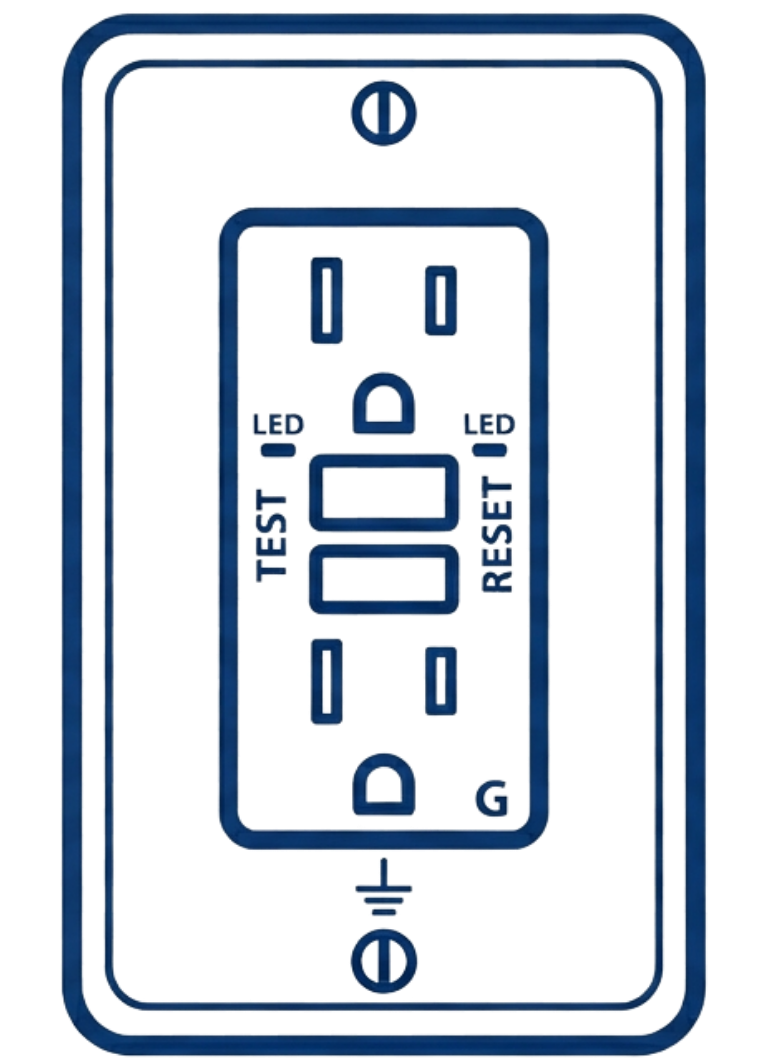
Homes should also have GFCI outlets installed in kitchens, bathrooms, garages, and outdoor areas. These outlets automatically shut off power when they detect a fault, helping prevent electrical shock.

Replacing damaged cords, keeping electrical devices away from water, and testing smoke detectors regularly are also simple steps that can help improve electrical safety.
While these practices help prevent everyday issues, larger electrical concerns should always be addressed by a licensed electrician.

Home Electrical Safety Checklist Graphic
Avoid overloading outlets
Install GFCI outlets in kitchens and bathrooms
Replace damaged cords or outlets
Keep electrical devices away from water
Test smoke detectors regularly

Severe weather is a regular part of life in North Carolina. Hurricanes, thunderstorms, and strong winds can all affect the electrical grid and cause unexpected power outages.
Preparing your home ahead of storm season can help reduce disruptions and protect your electrical system.

Homeowners should ensure that outdoor electrical equipment is properly secured and protected from flooding or debris. Trees near power lines should also be trimmed regularly to reduce the chance of branches damaging service lines during storms.
Many homeowners install surge protection or backup power systems to protect their homes during severe weather. These upgrades help prevent damage to appliances and electronics while maintaining comfort during extended outages.
If your home relies on a standby generator, it’s also important to make sure it’s ready before storms arrive. Routine inspections and maintenance help ensure the system starts properly when power is lost. Our guide on how to prepare your generator for storm season explains the steps homeowners should take to keep their backup power system ready for severe weather.

Preparing Your Home for Storm Season in North Carolina

Electrical Safety for Families With Medical Equipment

For many households, electricity is more than just a convenience—it is essential for health and safety. Medical devices such as CPAP machines, oxygen systems, and refrigerated medications depend on reliable power to function properly.

When outages occur, these devices may stop working unless a backup power source is available. For families who rely on medical equipment at home, maintaining a safe and dependable electrical system is especially important.

Planning ahead by ensuring your electrical system is properly maintained—and considering backup power options when necessary—can help protect critical equipPreparing Your Home for Storm Season in North Carolinament during outages.

How Professional Electrical Inspections Prevent Problems

Regular electrical inspections allow electricians to identify potential problems before they become serious hazards. During an inspection, a licensed electrician evaluates wiring conditions, circuit capacity, grounding systems, and the safety of outlets and panels.

If your home is older or showing warning signs like flickering lights or frequent breaker trips, scheduling a professional electrical inspection can help identify risks early and keep your home safe.

Why Hiring a Licensed Electrician Matters

Electrical work requires specialized training, tools, and knowledge of safety codes. Attempting electrical repairs without proper expertise can create serious risks.

Licensed electricians understand how to install and repair systems according to local building codes and safety standards. They can also identify potential hazards that homeowners may not notice.

Professional electrical work helps ensure installations are completed safely, systems function correctly, and your home remains protected from electrical failures.

Why Choose Swaim Electric

For more than 50 years, Swaim Electric has served homeowners throughout the North Carolina Triad with reliable electrical services and trusted expertise.
Homeowners rely on Swaim Electric because of our:

Decades of experience serving local communities

Licensed and highly trained electricians

Commitment to safe, high-quality workmanship

Strong reputation for dependable customer service
Comprehensive electrical and generator solutions

Call Us Now!
Our team understands the electrical needs of homes throughout the region and is dedicated to helping families stay safe, comfortable, and prepared.

Frequently Asked Questions About Electrical Safety

How often should a home electrical system be inspected?

 Most homes benefit from an electrical inspection every few years or whenever renovations or major upgrades occur.

Overloaded circuits, outdated panels, damaged wiring, and improper electrical repairs are among the most common issues.

Yes. Power surges can damage electronics, appliances, and HVAC systems.

Frequent breaker trips, flickering lights, or an outdated panel may indicate it’s time for an upgrade.

 Yes. Surge protection helps protect sensitive electronics and appliances from voltage spikes.

 Turn off power to the area if possible and contact a licensed electrician immediately.

Protect Your Home With Professional Electrical Service

Electrical safety starts with understanding how your home’s system works and addressing potential problems early. Whether you’re upgrading your electrical panel, installing surge protection, or preparing your home for storm season, professional guidance can help keep your electrical system safe and reliable.

Contact the experienced team at Swaim Electric to schedule an electrical inspection or learn more about improving your home’s electrical safety and preparedness.